Cryotherapy and Endorphins: Why Cold Exposure Feels So Good

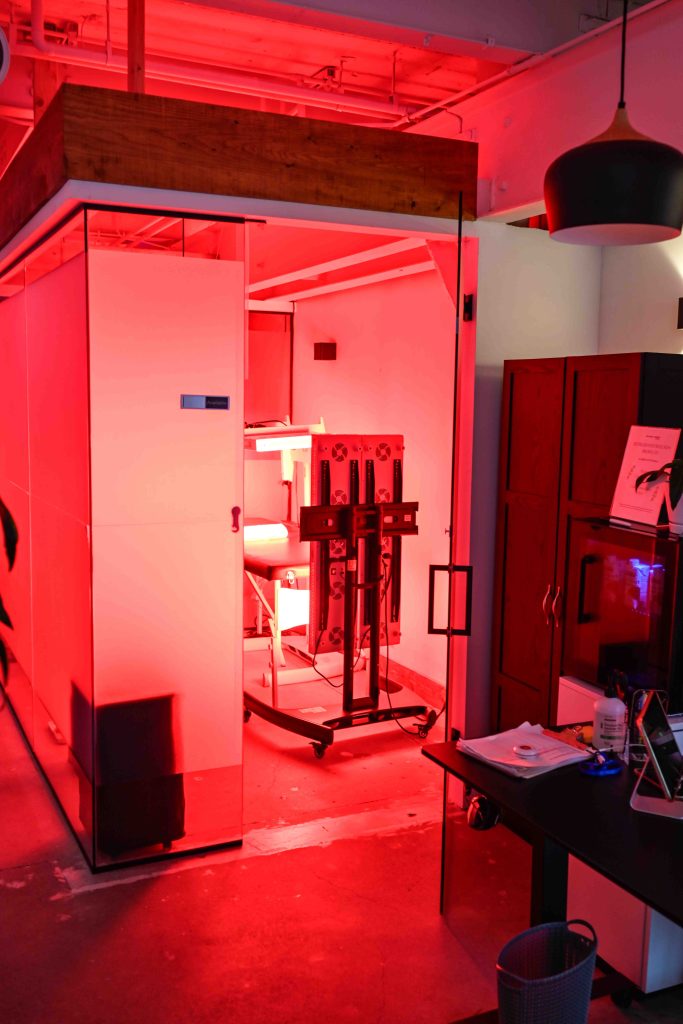
The first thing most people notice about cryotherapy is not subtle. It is the shock. The cold hits the skin fast, breathing changes, thoughts narrow, and the body snaps to attention. Then, often within minutes of stepping out, something shifts. Mood lifts. Stress seems farther away. Energy feels cleaner, almost sharpened. For many people, that afterglow is the real draw.
That response is not just bravado or trend-driven enthusiasm. Cold exposure can trigger a cascade of physiological reactions that affect the nervous system, circulation, inflammation, and the brain’s chemistry. Endorphins are part of that story, but they are not the whole story. The pleasant, sometimes euphoric feeling people report after a cold plunge or whole-body cryotherapy session likely comes from several systems working at once.
Understanding that matters, especially now that cryotherapy sits in an odd space between wellness ritual, athletic recovery tool, and social media spectacle. The benefits are often described in sweeping language, while the risks are sometimes brushed aside. The truth is more interesting than either extreme. Cold exposure can feel remarkably good, and there are defensible reasons why, but dose, context, and individual response make all the difference.
What cryotherapy actually means in practice
Cryotherapy is a broad term. In medicine, it can refer to highly targeted cold treatments used to destroy abnormal tissue. In the wellness and sports world, it usually means brief whole-body or partial-body exposure to very cold temperatures, often for two to four minutes. Some people use cryo chambers cooled by liquid nitrogen or refrigerated air. Others rely on ice baths, cold plunges, outdoor winter swims, or even very cold showers.
These methods are not identical. The temperature of a cryo chamber may be dramatically lower than a cold plunge, but the experience is different because air and water transfer heat differently. Water pulls heat from the body far more efficiently than air. A 50°F plunge can feel harsher, and often has a stronger thermal load, than a much colder air session. That is one reason people sometimes compare methods as if they were interchangeable when they are not.
Still, they share a basic premise. Cold acts as a controlled stressor. It pushes the body out of its thermal comfort zone for a short period, and the body responds with a coordinated survival-oriented reaction. If exposure is brief and safe, that stress can lead to a rebound effect many people interpret as clarity, calm, or exhilaration.
The body reads cold as a challenge, not a punishment
When skin temperature drops quickly, receptors in the skin send urgent signals to the brain. The sympathetic nervous system, the part associated with alertness and the classic fight-or-flight response, becomes more active. Blood vessels near the surface constrict to reduce heat loss. Heart rate and breathing can change, especially during the first minute. Stress hormones such as norepinephrine rise.
That may sound unpleasant, and during the initial exposure it often is. Yet the body is built to respond to manageable challenges. Once the cold stress ends, many people experience a powerful sense of relief paired with activation. That feeling is part chemistry, part perception, and part contrast. The body has done something demanding and emerged from it safely. There is a genuine biological basis for the satisfaction that follows.
This is one of the most misunderstood aspects of cold exposure. People sometimes assume the pleasant feeling must mean the body enjoyed the cold in the moment. Usually it did not. What feels good is often the transition out of cold, the neurochemical rebound, and the sense of regained warmth and control.
Where endorphins fit in
Endorphins are endogenous opioid peptides, chemicals the body produces that can reduce pain perception and contribute to feelings of well-being. They are released in response to certain forms of stress, exertion, and discomfort. Exercise can do it. Laughter can do it. Pain can do it. Cold can too.
The logic is straightforward. Cold exposure is physically demanding. It activates sensory pathways associated with discomfort and threat. The body responds by recruiting systems that help you tolerate the stress. Endorphins are part of that coping response. They do not erase the cold, but they can soften distress and contribute to the sense of post-exposure calm or even mild euphoria.
That said, anyone who talks about endorphins as the sole reason cryotherapy feels good is oversimplifying the physiology. Human mood is never that neat. Endorphins likely interact with catecholamines, especially norepinephrine, along with shifts in attention, breathing, and inflammation-related signaling. The “I feel amazing” report after cold exposure is probably a composite sensation, not a single chemical event.
In practical terms, endorphins help explain why a person can go from “why am I doing this” during the first thirty seconds of a plunge to “I feel fantastic” ten minutes later. The body rewards successful adaptation to stress. That reward is not imaginary.
Norepinephrine may be just as important as endorphins
If I had to name the chemical most often overlooked in everyday discussions of cryotherapy, it would be norepinephrine. Cold exposure is a potent trigger for it. Norepinephrine helps regulate attention, arousal, vigilance, and mood. It is one reason people often describe cold sessions not only as pleasurable, but also as mentally crisp.
The effect can feel different from the soft relaxation people associate with a massage or sauna. Cold tends to create a brighter, cleaner state. There is less mental fog. Many people feel switched on rather than sedated. For athletes before training, or professionals trying to reset between mentally draining tasks, that distinction matters.
This is also why cold exposure does not feel universally soothing. Someone who is already overstimulated, sleep deprived, or anxious may find the sympathetic surge too intense, especially with abrupt immersion. The same mechanism that helps one person feel alive can leave another feeling rattled. Cold is not a neutral input. It is a stressor, and stressors require judgment.
Pain relief changes the emotional experience
Another reason cryotherapy can feel so good is simple: reducing discomfort can improve mood quickly. Cold has a long history in managing soreness, swelling, and localized pain. Even when whole-body cryotherapy is used more for recovery than for acute injury, many people report less heaviness in the legs, less joint irritation, or a general reduction in body ache afterward.
Pain and mood share pathways. When pain eases, irritability often drops with it. Sleep can improve. Movement feels less effortful. The emotional lift after cryotherapy may partly reflect the body feeling less burdened. That is especially true in people training hard, standing all day for work, or carrying the low-grade inflammatory aches that come with long sedentary stretches and poor recovery habits.
There is also a perceptual layer. The intense, short-lived discomfort of cold can recalibrate how other sensations feel. Muscular soreness that seemed dominant before the session may feel quieter by comparison afterward. That does not mean tissue healing has suddenly accelerated in a dramatic way. It means the nervous system is interpreting the body differently, which can still be useful.
The breathing response changes the mind
Watch someone enter cold water for the first time and the pattern is obvious. The body gasps. Breathing turns shallow or choppy. If they stay in and regain control, the breath deepens and steadies. That transition is a major part of the appeal.
Cold exposure forces attention onto the present moment. It is difficult to ruminate about email or errands when your skin is signaling immediate cold threat. Once the initial shock passes, many people begin to regulate with long exhales and deliberate breathing. That shift can create a strong sense of agency. You are not merely enduring the stress, you are actively organizing your response to it.
Psychologically, that matters. Controlled exposure to discomfort can build confidence, especially for people who feel chronically scattered or overstretched. You do something hard, stay composed, and come out steadier than you went in. The positive feeling afterward is not only chemical. It is also earned.
This is one reason experienced users often say the biggest benefits come when the session is approached with discipline rather than drama. The goal is not to suffer heroically. The goal is to meet a clear stressor, control the breath, and leave before stress stops being productive.
Cold exposure can create a rebound into warmth and comfort
There is a very human reason cold feels good after it ends. Contrast intensifies pleasure. Warmth feels warmer after cold. Relaxation feels deeper after tension. Comfort feels more vivid after temporary deprivation. The body is built to notice change, not just absolute conditions.
After a short cryotherapy session, blood flow patterns shift, skin sensation changes, and warmth returning to the body can feel distinctly pleasurable. People often describe tingling, lightness, or a pleasantly buzzing sensation. Some of that is vascular, some neurological, and some perceptual. But it is real enough to be repeatable.
This is part of why the ritual matters. A rushed session followed by jumping straight into traffic may not feel nearly as rewarding as a well-timed one followed by a few minutes of walking, rewarming, and hydration. The nervous system responds to sequences. Cold, then calm, then warmth can be a powerful arc.
Why some people become devoted to it
Not everyone likes cryotherapy, but those who do often become unusually consistent. That tends to happen when three things line up. First, they notice a reliable mood shift. Second, they feel functional benefits such as less soreness or greater alertness. Third, the routine fits their life.
From experience in performance settings, compliance with recovery tools is always the real test. People abandon interventions that are vague, time-consuming, or inconsistent. Cold exposure survives because the payoff is often immediate. You do not have to wait six weeks to feel something. A person can step into a plunge at 7:00 a.m. And know by 7:10 whether it changed their state.
There is also an identity component that should be acknowledged honestly. Doing hard things can become part of how people see themselves. That can be motivating, but it can also distort judgment. If cryotherapy turns into a daily proof-of-toughness exercise, people may ignore signs that it is no longer serving them well. Effective recovery should make the body more responsive, not more rigid.
Athletic recovery, mood, and the trade-offs
Cryotherapy’s reputation grew in sports partly because athletes are always looking for ways to recover faster without feeling sedated. Cold can help with soreness and the subjective sense of fatigue. It may improve perceived readiness in some contexts. That can be valuable https://jeffreyvhia613.image-perth.org/cryotherapy-for-seasonal-wellness-staying-energized-year-round during tournaments, dense competition schedules, or travel-heavy periods when training load is high and sleep is imperfect.
But there is an important nuance. Blunting inflammation is not always desirable. Training adaptations often rely on the body’s natural response to exercise, including inflammatory signaling. If an athlete uses cold aggressively after every strength or hypertrophy session, there is some concern that it may dampen aspects of adaptation over time. The evidence is not simple or universal, but the principle is worth respecting.
That is why the best use of cryotherapy is usually strategic, not reflexive. It may make sense after competition, in-season during compressed schedules, or when symptom relief matters more than maximizing adaptation. It may make less sense immediately after every workout if muscle growth or long-term strength gains are the primary goal.
This is one of those areas where wellness marketing often skips the adult conversation. More is not always better. Timing matters. Purpose matters.
Why mood benefits can feel outsized
Cold exposure can produce a disproportionate mood effect relative to how brief the session is. That happens for several reasons. The stimulus is intense, the neurochemical response is fast, and the psychological contrast is strong. It is a short event with a memorable before-and-after.
For people under chronic cognitive load, that can be especially appealing. Modern stress is often diffuse, repetitive, and mentally sticky. Cold is the opposite. It is concrete. It demands immediate presence. It ends. That structure alone can feel relieving. You face a real challenge with a defined boundary, instead of carrying a low hum of unfinished tension for ten hours.
Some users also find that cryotherapy creates a useful interruption in depressive inertia or anxious spiraling. That does not make it a treatment for mental illness on its own, and it should never be framed as one-size-fits-all therapy. But as a state-change tool, it can be powerful. Short, intense sensory inputs sometimes accomplish what abstract advice about “reducing stress” never does.
The experience is highly individual
The same cold session can leave one person energized, another calm, and a third annoyed. Body size, body fat, prior cold exposure, sleep, hydration, stress level, menstrual cycle phase, medical conditions, and plain temperament all influence the response. Some people adapt quickly and need careful progression to keep the stimulus effective. Others never really enjoy it and gain little from forcing the habit.
That is not a failure. It is biology.
There is also a difference between tolerating cold and benefiting from it. Some people can withstand very low temperatures but come away feeling depleted. Others use milder exposures and get exactly what they need. Chasing more extreme cold because it looks impressive is rarely the smartest path.
A practical rule I use is that a good session should leave you feeling more organized afterward, not scattered. If you routinely exit cold exposure shivering uncontrollably, exhausted, or mentally dull, the dose is probably wrong or the timing is poor.
A sensible way to start
People are often surprised that the best entry point is not dramatic. Brief, repeatable exposure works better than one punishing session followed by a week of avoidance. The nervous system learns through repetition, and confidence builds when the challenge is manageable.
A useful starting framework looks like this:
- Begin with cool to cold water or a short cold shower finish, not an extreme plunge.
- Focus on steady nasal breathing or slow exhales before worrying about duration.
- Keep the first sessions brief, often 30 seconds to 2 minutes is enough.
- Rewarm naturally with movement and clothing rather than immediately chasing scorching heat.
- Stop increasing dose when the post-session effect is clearly positive and consistent.
This is not glamorous advice, but it is what tends to work. Most benefits people are seeking, better alertness, improved mood, a sense of resilience, do not require heroic suffering.
Safety deserves more attention than it gets
Cryotherapy is often marketed with sleek aesthetics that can make it seem cleaner and safer than it is. Cold exposure is not inherently dangerous when used thoughtfully, but it can become dangerous quickly in the wrong setting. Cold shock can provoke hyperventilation. Water immersion raises the stakes because panic and loss of motor control matter more in water than in air. People with cardiovascular disease, uncontrolled high blood pressure, certain arrhythmias, Raynaud’s phenomenon, cold urticaria, neuropathy, or impaired temperature sensation need real medical guidance before experimenting.
The context matters too. Solo cold plunging in open water is a completely different risk profile from stepping into a supervised plunge tub. Alcohol, exhaustion, illness, and competitive group energy all make poor companions for cold exposure.
There are a few common signs that the session has crossed from productive to unwise:
- Persistent dizziness or chest discomfort
- Numbness that interferes with movement
- Confusion, panic, or inability to control breathing
- Violent shivering that does not settle with rewarming
- A compulsion to stay in for ego rather than benefit
None of these should be treated as badges of honor. Cold can sharpen judgment when used well, but it punishes bad judgment efficiently.
Cryotherapy versus cold water, what feels different
People often ask whether whole-body cryotherapy “works better” than a cold plunge. That is not the most useful question. Better for what?
Cryo chambers are brief, convenient, and often easier for people who dislike full immersion. Users frequently report an immediate lift in energy and mood. Cold plunges and ice baths tend to feel more immersive, more respiratory, and for many people more psychologically demanding. Because water transfers heat more efficiently, the overall body stress can be substantial even at less dramatic temperatures.
If the goal is a quick reset between meetings or after travel, a cryotherapy session may suit the schedule and produce a satisfying alertness boost. If the goal is to build tolerance to discomfort, pair breath control with a recovery ritual, or achieve a stronger whole-body cold stimulus, a plunge may be more effective. Plenty of people prefer one simply because they are more likely to do it consistently.
That may sound almost too practical, but consistency is what turns an interesting sensation into a meaningful tool.
The deeper appeal, stress that ends with reward
Part of the reason cryotherapy feels so good is that it offers a rare kind of stress, finite, embodied, and followed by relief. Much of modern stress lacks those features. It lingers in the background, unresolved and vague. Cold exposure is the opposite. It starts, peaks, and ends. The body mobilizes resources, then stands down. Endorphins and norepinephrine help mark that arc, but the emotional meaning of the experience matters too.
You step into discomfort. You stay calm enough to ride the first wave. You come out warmer than before, clearer than before, and often oddly pleased with yourself. That combination is not trivial. It is one of the reasons practices built around controlled physical challenge have survived across cultures for so long.
Cryotherapy is not magic, and it is not mandatory. But when used with good sense, it can be a precise and effective way to change state. The reason it feels so good is not a mystery, and it is not just hype. It is what happens when the brain, the body, and a brief, intense stressor meet at exactly the right dose.
SDBody Mission Hills
Address: 1747 Hancock St Ste C, San Diego, CA 92101
Phone number: +16197720252
FAQ About Cryotherapy
What does cryotherapy do for your body?
Cryotherapy exposes the body to extremely cold temperatures for a few minutes to trigger natural healing and recovery responses.
What are the negatives of cryotherapy?
The primary negatives of cryotherapy include skin burns, frostbite, temporary nerve irritation, and temporary spikes in blood pressure caused by extreme cold.
How much does cryotherapy typically cost?
A single session of non-medical cryotherapy typically costs between $40 and $100. However, prices vary significantly depending on the specific type of treatment, your location, and whether you purchase a membership or package.